First Time Visiting the USA: The Ultimate Mega Guide for International & Domestic Travelers Planning your first time visiting the USA is an exhilarating milestone. The United States is a world within a country, stretching across nearly 3.8 million square miles and spanning six different time zones. It is a land where you can experience […]
Disclaimer: This post contains affiliate links. We may earn a small commission if you make a purchase through them, at no extra cost to you. Read our full Affiliate Disclosure here.
First Time Visiting the USA: The Ultimate Mega Guide for International & Domestic Travelers
Planning your first time visiting the USA is an exhilarating milestone. The United States is a world within a country, stretching across nearly 3.8 million square miles and spanning six different time zones. It is a land where you can experience the high-octane energy of Manhattan, the desolate beauty of Death Valley, and the laid-back coastal vibes of the Pacific Coast Highway all in one trip.
However, because of its massive scale and unique legal, financial, and cultural systems, navigating America for the first time can feel incredibly overwhelming. From dealing with strict Customs and Border Protection (CBP) officers to figuring out the unspoken rules of American tipping, the learning curve is steep.
This comprehensive, battle-tested guide serves as your ultimate blueprint. Whether you are an international traveler crossing the ocean or an American planning your first major cross-country trip, this mega guide covers everything you need to know about how to travel in the USA smoothly, safely, and like a seasoned local.
The Pre-Departure Checklist: Visas, Flights, and Red Tape
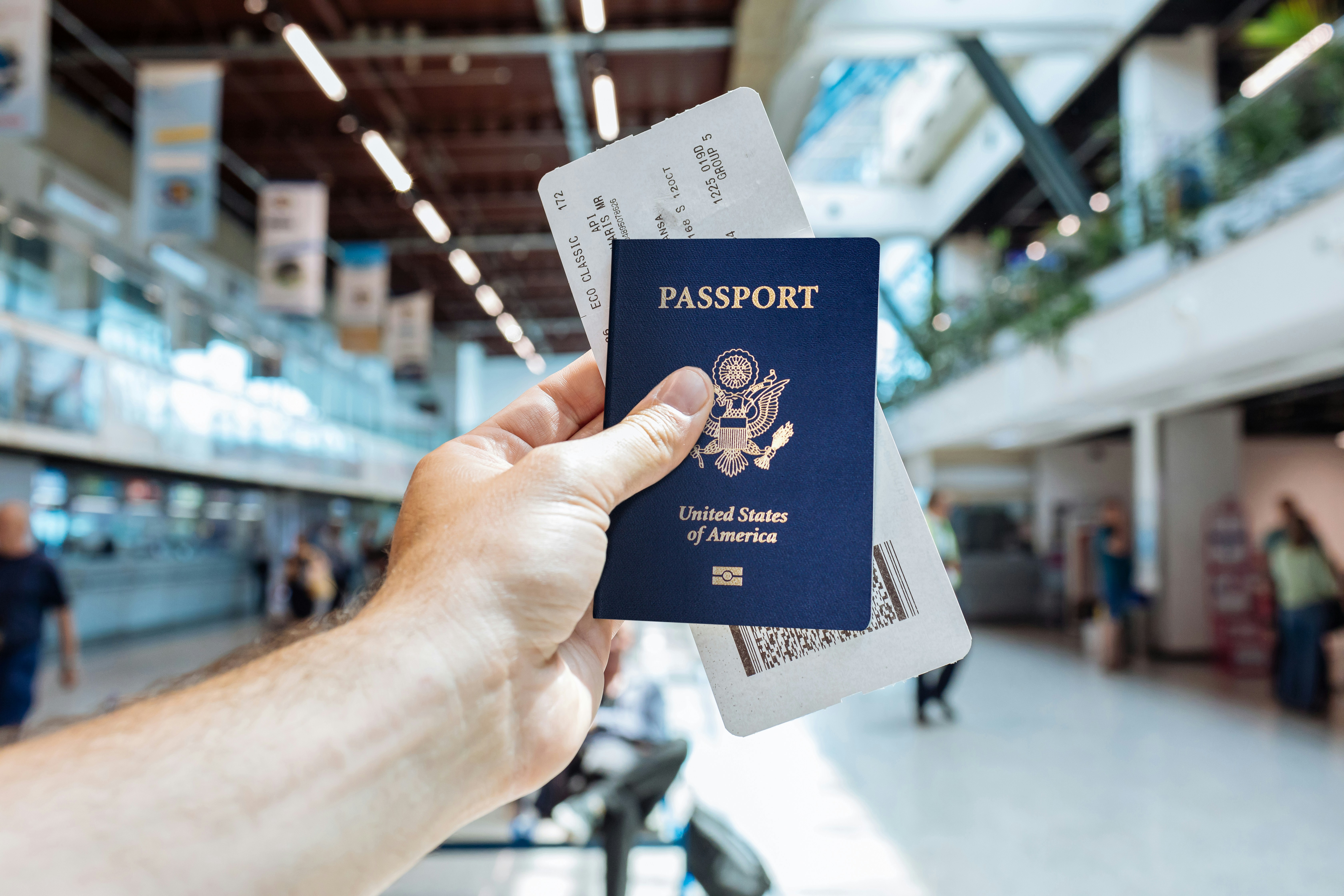
Your journey begins long before you step foot on an airplane. The United States maintains some of the strictest border security protocols in the world. Getting your administrative paperwork wrong can result in being denied boarding or, worse, turned back at the border.
International Entry: Visa vs. ESTA
If you are an international visitor, you must clear the legal hurdles before buying your plane tickets. There are two primary pathways to enter the United States for tourism:
- The Visa Waiver Program (ESTA): Citizens of 40+ countries (including most European nations, Japan, South Korea, Australia, and Singapore) can apply for an ESTA (Electronic System for Travel Authorization). It costs $21, is valid for two years, and allows multiple entries of up to 90 days per visit. You must apply online at least 72 hours before departure.
- B1/B2 Tourist Visa: If your country is not part of the Visa Waiver Program, you must apply for a traditional B1/B2 Visitor Visa. This process involves filling out the extensive DS-160 form, paying a $185 fee, and scheduling an in-person interview at a US Embassy or Consulate. Start this process 3 to 6 months in advance, as wait times for interview appointments can be exceptionally long.
Booking Domestic Flights and Navigating US Hubs
When flying into the US, your first point of landing is where you will clear customs, regardless of your final destination. For example, if you fly London – New York (JFK) – Miami, you must collect your bags and go through immigration in New York before catching your domestic flight to Miami.
Crucial Rule for Layovers: Always allow a minimum of 3 hours for your first layover in the US. Immigration lines at major hubs like JFK, LAX, ORD (Chicago), and MIA (Miami) can take anywhere from 30 minutes to over two hours during peak travel windows.
Tech & Connectivity: Staying Online Across America
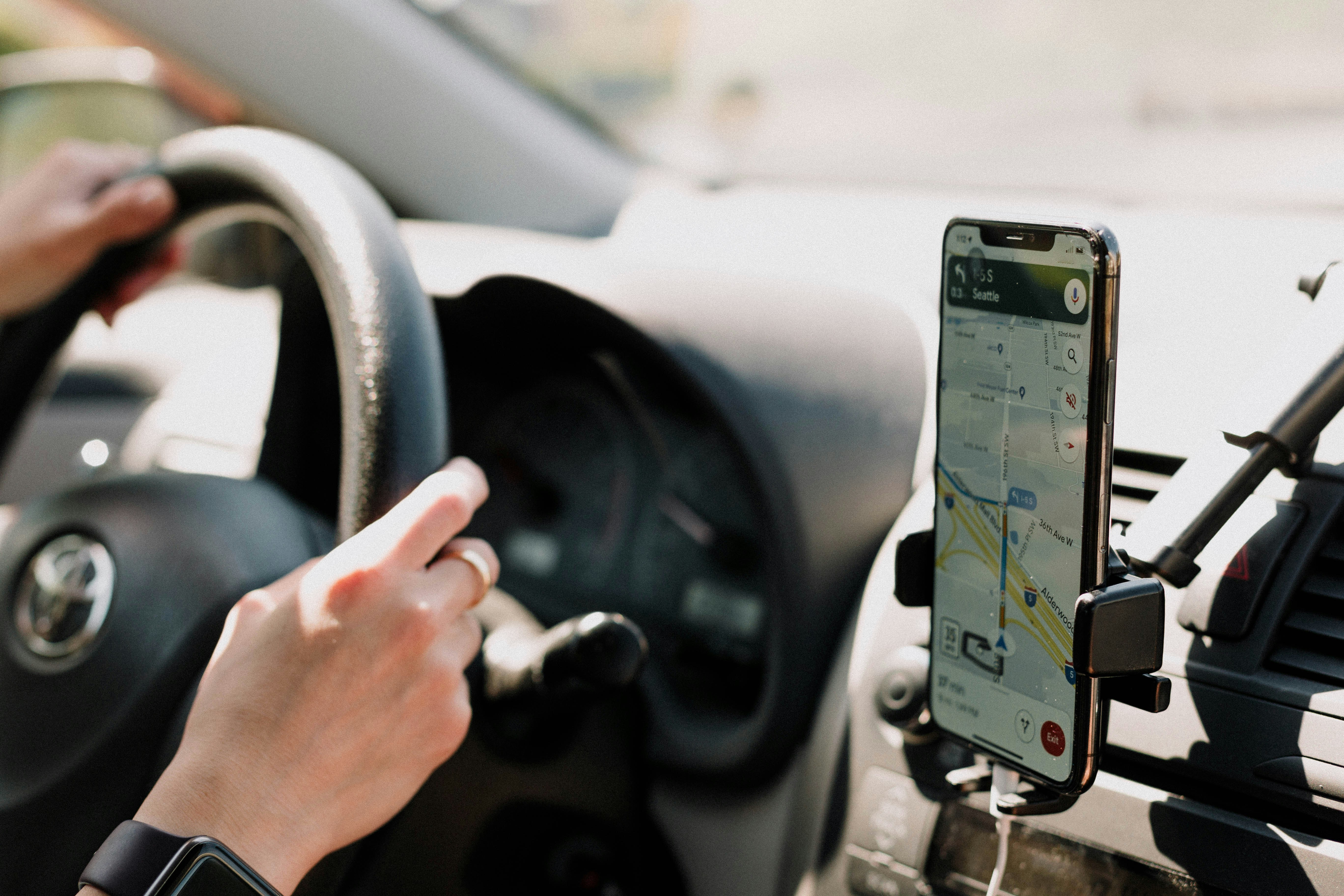
Modern travel relies entirely on digital infrastructure. From accessing digital boarding passes and calling an Uber to navigating remote state highways via Google Maps, staying connected is non-negotiable. However, international data roaming will absolutely destroy your bank account, and relying on public Wi-Fi is a massive cybersecurity risk.
The Best Travel eSIM for USA: T-Mobile vs. AT&T
The days of hunting down a physical kiosk at the airport to buy a plastic SIM card are largely over. If you have a modern, unlocked smartphone, using a travel eSIM is the most efficient and cost-effective solution. You can purchase and install it before you even leave your home country.
When it comes to network coverage in the US, two giants dominate the landscape: T-Mobile and AT&T. T-Mobile generally offers faster 5G speeds in urban areas and major metropolitan centers. On the other hand, AT&T provides superior coverage in rural areas, mountainous regions, and along interstate highways.
If you want to read deep-dive performance analyses, speed tests, and a breakdown of the best third-party providers (like Airalo, Nomad, or Holafly) that run on these networks, make sure to read our comprehensive guides in our Tech Reviews & Picks section to choose the right data plan for your specific route.
Portable Wi-Fi Hotspots: When Do You Need One?
If you are traveling with a family, managing multiple devices (like iPads, laptops, and kindle readers), or working remotely while traveling across America, a standalone portable Wi-Fi hotspot (Pocket Wi-Fi) is an excellent alternative. It allows you to create a secure, encrypted network for up to 10 devices simultaneously, preserving your smartphone’s battery life.
Power & Energy Management: Keeping Devices Juiced
Nothing kills the excitement of exploring a new city faster than seeing your phone battery hit 1%. Between taking 4K videos, running GPS mapping in the background, and adjusting screen brightness in the bright American sun, your tech will drain at twice its normal speed.
TSA Regulations on Portable Power Banks
Before you toss your heavy-duty backup battery into your suitcase, you must understand the strict guidelines enforced by the Transportation Security Administration (TSA).
The TSA forbids passengers from putting lithium-ion batteries in their checked luggage due to fire hazards. All power banks must be kept in your carry-on baggage.
Furthermore, there is a strict capacity limit: power banks must not exceed 100 Watt-hours (Wh) per battery. For standard consumer electronics, this translates to roughly 26,800mAh at 3.7V. If you attempt to pass through security with a massive power station or an unmarked battery exceeding this limit, TSA will confiscate it on the spot.
Heavy-Duty Wall Chargers and Adapters
The US operates on a 120V electrical system at 60Hz, using Type A (two-prong) and Type B (three-prong) plugs. If you are arriving from a country that uses 220-240V (such as Europe, the UK, or Asia), your devices will charge painfully slow, or not fit at all, unless you use a high-quality GaN (Gallium Nitride) fast charger paired with a universal adapter.
To avoid cluttering your hotel room with half a dozen different charging bricks, look for multi-port wall chargers that can deliver at least 65W to 100W of power, allowing you to charge your laptop, phone, and camera gear from a single outlet. We keep an updated list of vetted, field-tested charging gear over in our Gear Reviews & Guides catalog to ensure your equipment stays safe from voltage spikes.
Check out our top recommended GaN chargers and adapters that are fully compatible with US grid standards in our Gear Reviews & Guides!”

Luggage & Security: Surving US Airports and Transit
American airports are notorious for intense security screenings and high rates of checked luggage mishandling. Major hubs process hundreds of thousands of bags daily, meaning your luggage will be thrown, stacked, and scrutinized heavily.
The Reality of TSA-Approved Locks
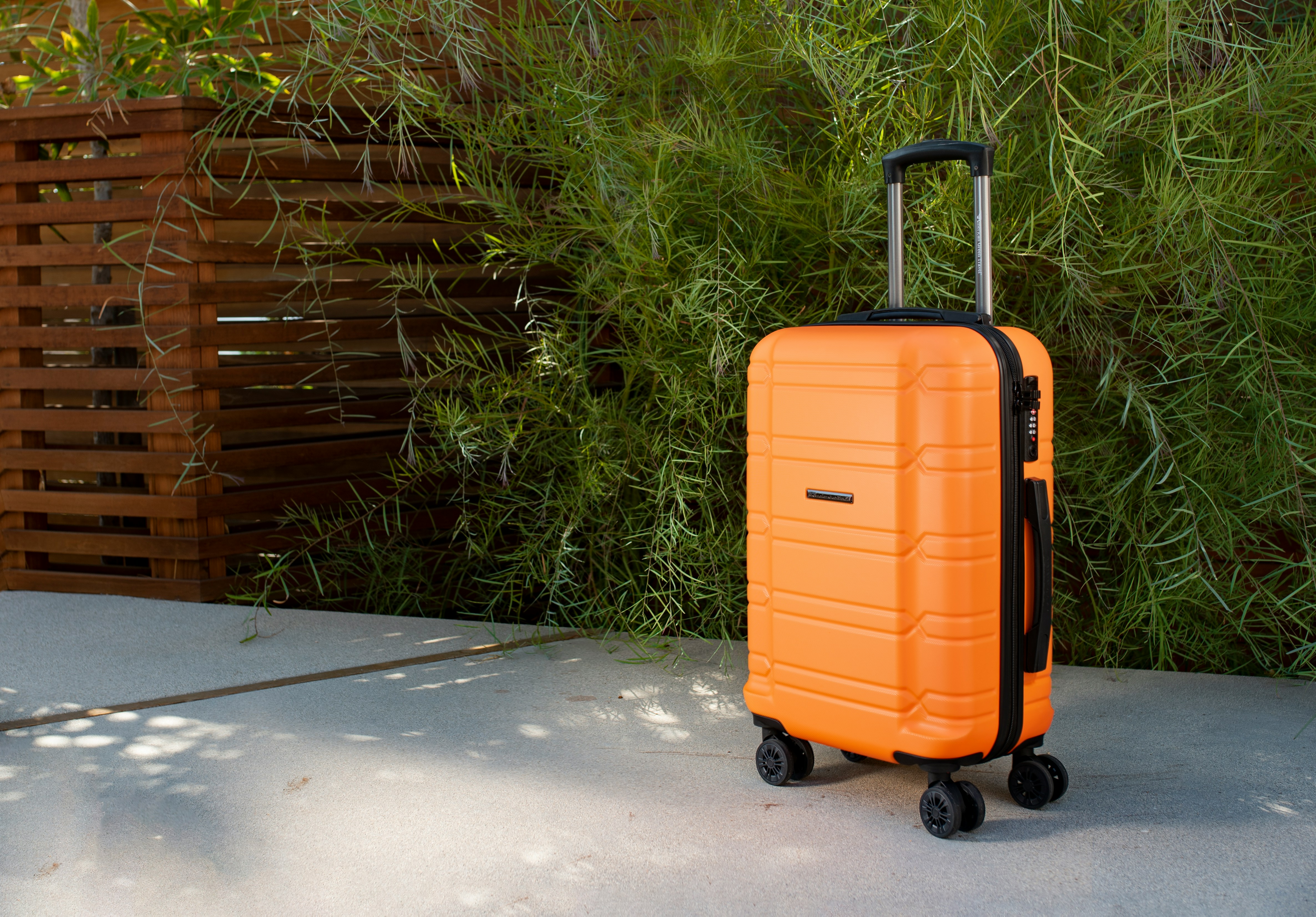
When you check a bag on a US domestic or international flight, the TSA reserves the right to physically open and inspect its contents. If your bag is locked with a standard padlock, officers will use bolt cutters to destroy the lock or rip open the zippers to gain access. They are legally absolved of any damage caused during this process.
The solution is to use a
 .
.
These locks feature a specific master-key mechanism (indicated by the red Travel Sentry diamond logo) that allows TSA agents to use a specialized tool to open, inspect, and relock your bag without causing damage. It is a fundamental piece of security gear for anyone traveling through the US transit network.
Tracking Your Belongings with AirTags and Tile Devices
Lost luggage is an unfortunate reality of modern aviation, particularly during tight layovers at chaotic mega-airports like LAX, O’Hare, or JFK. Airlines are often slow to track misplaced bags, which can derail your entire vacation.
Smart travelers bypass airline incompetence by placing Bluetooth trackers inside every single bag.
- Apple AirTags: If you use an iPhone, AirTags utilize Apple’s massive “Find My” network, leveraging millions of nearby iPhones to pin down your bag’s location with pinpoint accuracy, even inside deep airport luggage basements.
- Tile Trackers: If you are an Android user, Tile trackers offer an excellent cross-platform alternative with robust tracking capabilities.
Knowing exactly where your bag is located allows you to confront airline baggage agents with concrete data, drastically accelerating the recovery process. For a deep dive into the best rugged luggage tags, protective cases for trackers, and security travel accessories, navigate through our curated Gear Reviews & Guides to bulletproof your transit setup.
Landing and Immigration: Surviving Customs Control
Stepping off the plane brings you to your final gatekeeper: United States Customs and Border Protection (CBP). The immigration process can be intimidating, but knowing what to expect removes the stress.
The Immigration Interview
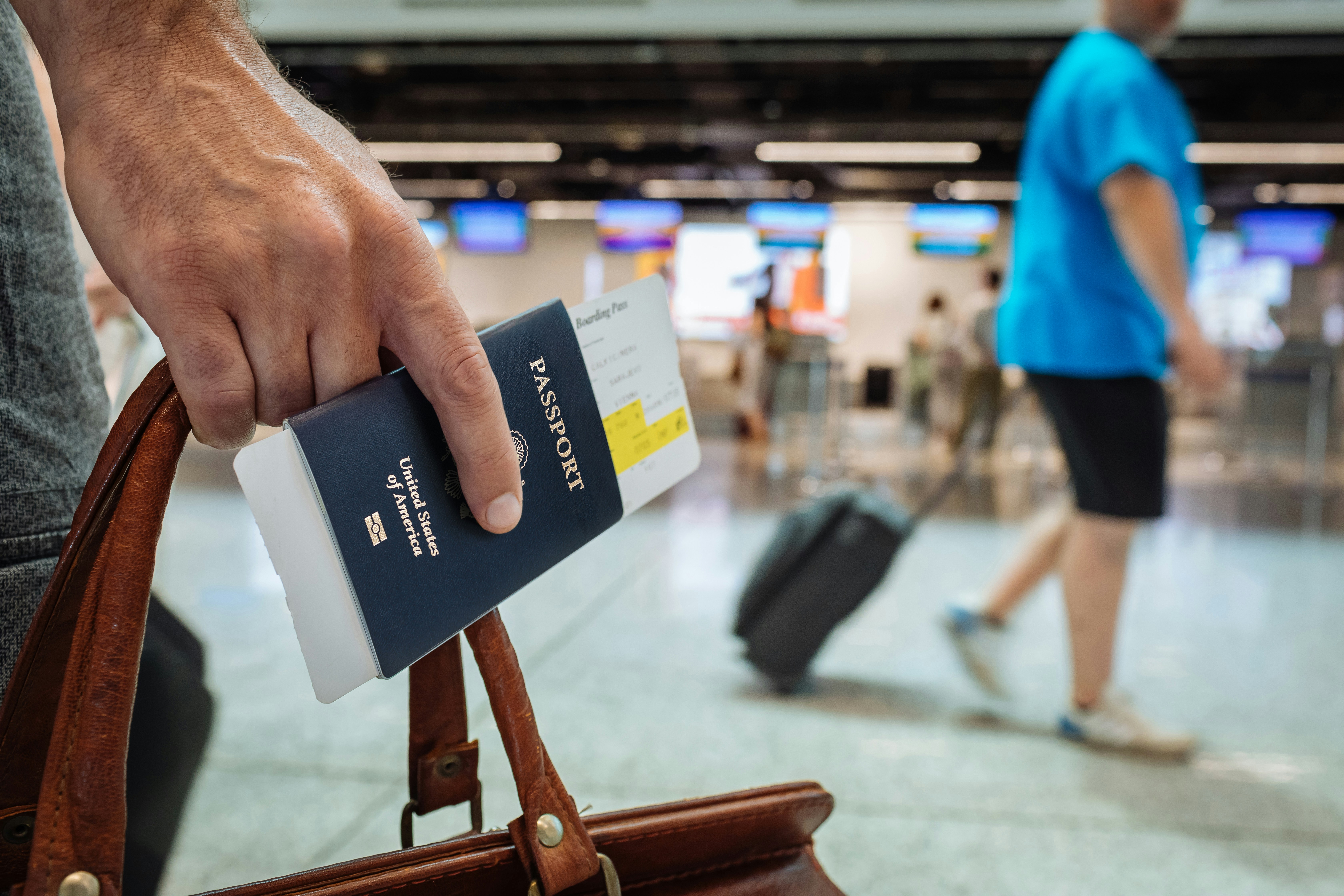
When you reach the front of the line, the CBP officer will take your fingerprints, photograph your face, and ask a series of direct questions. The golden rule here is to answer honestly, concisely, and professionally. Do not make jokes. Officers are trained to look for inconsistencies.
Be prepared to answer the following common questions:
- What is the purpose of your visit? (Your answer should be simple: “Tourism” or “Vacation”).
- Where are you staying? (Have the printed address of your first hotel or Airbnb ready).
- How long will you be in the United States? (Know your exact departure date).
- What do you do for work in your home country? (They want to ensure you have strong ties to your homeland and do not intend to overstay illegally).
Prohibited Items: What You Cannot Bring
The US is fiercely protective of its agricultural ecosystem. You must declare all food items on your customs form. Bringing fresh fruits, vegetables, meats, or plants is strictly prohibited and can result in immediate fines ranging from $300 to $1,000.
Packaged, commercially sealed goods like chocolates, cookies, and baked goods are generally fine, but when in doubt, declare it to the officer. If you declare a prohibited item, they will simply throw it away; if you hide it and canine units sniff it out, you will face penalties.
Accommodation Secrets: Hotels, Motels, and Airbnbs
Where you lay your head at night will consume the largest portion of your travel budget. Lodging in the United States functions differently than in many parts of the world, specifically regarding hidden costs.
The Dreaded “Resort Fee” and Amenity Tax
When booking hotels in major tourist destinations like Las Vegas, New York City, Miami, or Orlando, the price you see listed on booking platforms is rarely the final cost. Many properties tack on a mandatory “Resort Fee” or “Facility Fee” at checkout.
These mandatory fees range from $20 to $60 per night and supposedly cover amenities like Wi-Fi, fitness center access, or pool towels, regardless of whether you use them. Always read the fine print under the “Taxes and Additional Fees” section before securing your reservation.
Motel Culture vs. Major Cities
If you are planning an American road trip, do not book all your accommodations in advance. America’s interstate system is lined with classic motels (such as Motel 6, Super 8, and Days Inn). These properties offer basic, clean rooms, free parking, and drive-up access, making them incredibly convenient and highly affordable ($60 – $100 per night) for quick overnight stops.
Conversely, for major coastal cities, prioritize location over price. Booking a cheap hotel on the outer fringes of Los Angeles or Chicago might save you $50 a night, but you will easily spend that savings on high-priced rideshares (Uber/Lyft) or spend hours trapped in gridlock traffic.
Financial Realities: Credit Cards, Cash, and Tipping
The US financial ecosystem is highly digital, yet deeply rooted in traditional service fees. Navigating this balance is essential to keeping your expenses under control.
Plastic is King
The United States is an almost entirely cashless society. From street food trucks to high-end restaurants, Visa and Mastercard are accepted universally. Apple Pay and Google Wallet are widely supported in cities, though some establishments still require physical cards.
Car Rental & Hotel Incidental Holds: You must carry a physical credit card (not a debit card) under the primary traveler’s name. When you check into a hotel or pick up a rental car, the company will place a temporary authorization hold (ranging from $200 to $1,000) on your card to cover potential damages. If you use a debit card, this money is physically pulled from your bank account and can take up to two weeks to be refunded.
The Tipping Breakdown
Because the US federal minimum wage for tipped employees is exceptionally low, tipping is a cultural obligation. As a general rule of thumb, tip based on this current standard:
- Sit-Down Restaurants: 18% to 20% of the pre-tax bill. 15% is acceptable for mediocre service, while 22%+ indicates exceptional service.
- Bars: $1 to $2 per drink, or 15% to 20% of the total tab.
- Rideshares & Taxis: 10% to 15% of the total fare.
- Hotel Staff: $2 to $5 per night for housekeeping; $1 to $2 per bag for porters.
Summary Checklist: Your First-Time US Travel Roadmap
To ensure you have a seamless trip, use this timeline checklist as your guide as you count down to your departure date:
| Timeline | Action Item | Core Focus |
| 3-6 Months Prior | Secure Entry Paperwork | Apply for ESTA or schedule your B1/B2 visa interview. |
| 1-2 Months Prior | Book Transit & Logistics | Lock in cross-country flights and reserve rental vehicles. |
| 2 Weeks Prior | Audit Travel Tech | Purchase a travel eSIM, clear TSA-compliant power banks, and check out Tech Reviews & Picks. |
| 1 Week Prior | Secure Baggage | Equip luggage with TSA-approved locks and active smart trackers (AirTags/Tile). |
| Departure Day | Immigration Readiness | Keep hotel addresses printed, declare food, and double-check carry-on batteries. |
Final Thoughts: Don’t Rush the Journey
The single greatest asset you can bring on your first time visiting the USA is a flexible attitude. Flights get delayed, road traffic happens, and the culture can be jarring at first. But by selecting the correct connectivity tech, preparing your transit gear properly, and arming yourself with local knowledge, you are setting yourself up for an unforgettable adventure across one of the most diverse nations on Earth.
Before you pack your bags, explore our detailed hardware teardowns and survival gear roundups inside our Gear Reviews & Guides to ensure you’re buying items that will survive the rigorous journey.
Travel Essentials for Your Trip
Make your journey smoother with our top-rated travel gear and travel technology recommendations.
More Travel Guides
Table of Contents
Latest Articles
 How to Protect Your Tech While Traveling: 5 Smart Anti-Theft Tips
 World Cup 2026 Transit Guide: 5 Border Crossing Tech Rules
 Traveling between US and Canada for World Cup: 5 eSIM & Tech Tips
 World Cup Cross Border Travel: 5 Crucial Logistics Tips
 World Cup 2026 Travel Guide: Top US Destinations to Explore Between Matches
Popular Reviews

Alpha Keeper Money Belt Review: 1 Best Hidden Travel Wallet?

Derila Ergo Cervical Neck Pillow Review: 1 Best Sleeping Solution?

Owala FreeSip Water Bottle Review: 1 Best Travel Companion in 2026?
USPECLARE Clear Purse Review: 1 Best Stadium Approved Crossbody Bag?