World Cup Cross-Border Travel Guide: How to Seamlessly Transit Between Canada and Mexico Attending the FIFA World Cup is a bucket-list dream. But a tournament spread across three massive North American nations presents a logistical puzzle that most football fans have never faced before. If your ticket lottery luck landed you matches in both the […]
Disclaimer: This post contains affiliate links. We may earn a small commission if you make a purchase through them, at no extra cost to you. Read our full Affiliate Disclosure here.
World Cup Cross-Border Travel Guide: How to Seamlessly Transit Between Canada and Mexico
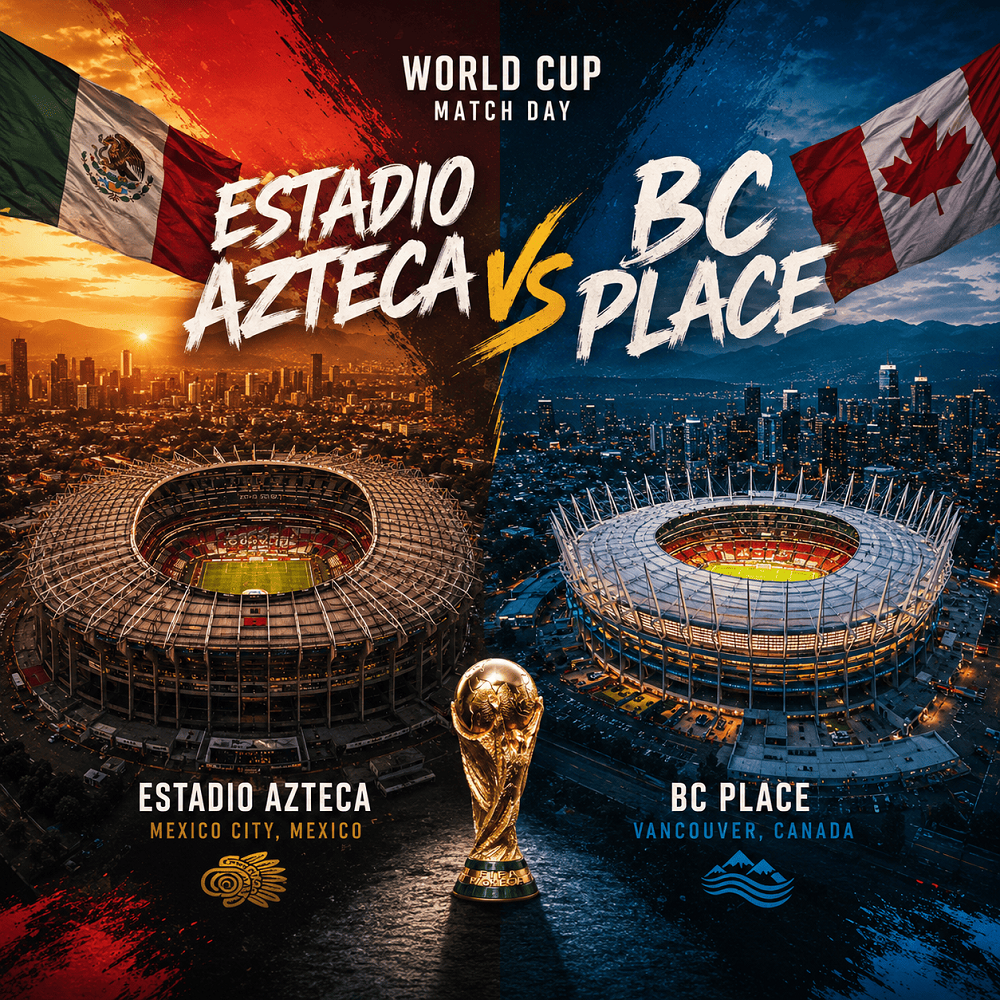
Attending the FIFA World Cup is a bucket-list dream. But a tournament spread across three massive North American nations presents a logistical puzzle that most football fans have never faced before. If your ticket lottery luck landed you matches in both the chilly Pacific Northwest of Vancouver and the high-altitude heat of Mexico City, you are looking at a cross-border journey of over 2,500 miles.
Navigating customs, managing tight flight connections, adjusting to wildly different climates, and complying with strict stadium security rules can quickly turn a dream vacation into a stressful nightmare.
This comprehensive World Cup cross-border travel guide breaks down everything you need to know to seamlessly transit between Canada and Mexico. From border control hacks to the exact travel gear required to survive the journey, here is your playbook for a hassle-free tournament.
The Cross-Border Host Cities: Lay of the Land
Before booking your flights, you need to understand exactly where you are going. Canada and Mexico are hosting matches in distinct hubs, each with its own local transit infrastructure and climate.
| Country | Host City | Key Venue | Climate & Altitude To Prepare For |
| Canada | Vancouver | BC Place | Mild, coastal, frequent rain. Sea level. |
| Canada | Toronto | BMO Field | Humid summer, unpredictable showers. Sea level. |
| Mexico | Mexico City | Estadio Azteca | Hot, highly polluted, 7,200 ft high altitude. |
| Mexico | Monterrey | Estadio BBVA | Extreme summer heat (often exceeding 100°F). |
| Mexico | Guadalajara | Estadio Akron | Warm, subtropical, high elevation (5,100 ft). |
Step 1: Bureaucracy & Customs Clearing (The Non-Negotiables)
Crossing the border between Canada and Mexico is not like traveling within the European Schengen Zone. You will face rigorous immigration checks in both countries.
Entering Canada: eTA vs. Temporary Resident Visa
Most international travelers, including Americans and Europeans, enter Canada seamlessly. However, rules differ based on your passport:
- US Citizens: You only need a valid US passport. No visa or Electronic Travel Authorization (eTA) is required.
- Visa-Exempt Foreigners (UK, EU, Australia, etc.): You must apply for an eTA online before boarding your flight to Canada. It costs 7 CAD and takes minutes, but doing it at the airport gate is a massive gamble.
- Visa-Required Nationalities: Ensure you apply for your Canadian Visitor Visa months in advance, as processing times spike heavily during global sporting events.
Entering Mexico: FMM Forms and Passport Validity
Mexico has simplified its entry process, but immigration lines during the tournament will be unprecedented.
- The 6-Month Rule: Ensure your passport is valid for at least 6 months beyond your planned departure date. Mexican border agents are notoriously strict about this.
- Digital FMM: While Mexico is phasing out physical paper immigration forms (FMM) at major airports like AICM (Mexico City), ensure you download and save your digital entry slip to your smartphone immediately upon clearing customs.
Step 2: Transit Logistics — Flying Between Canada and Mexico
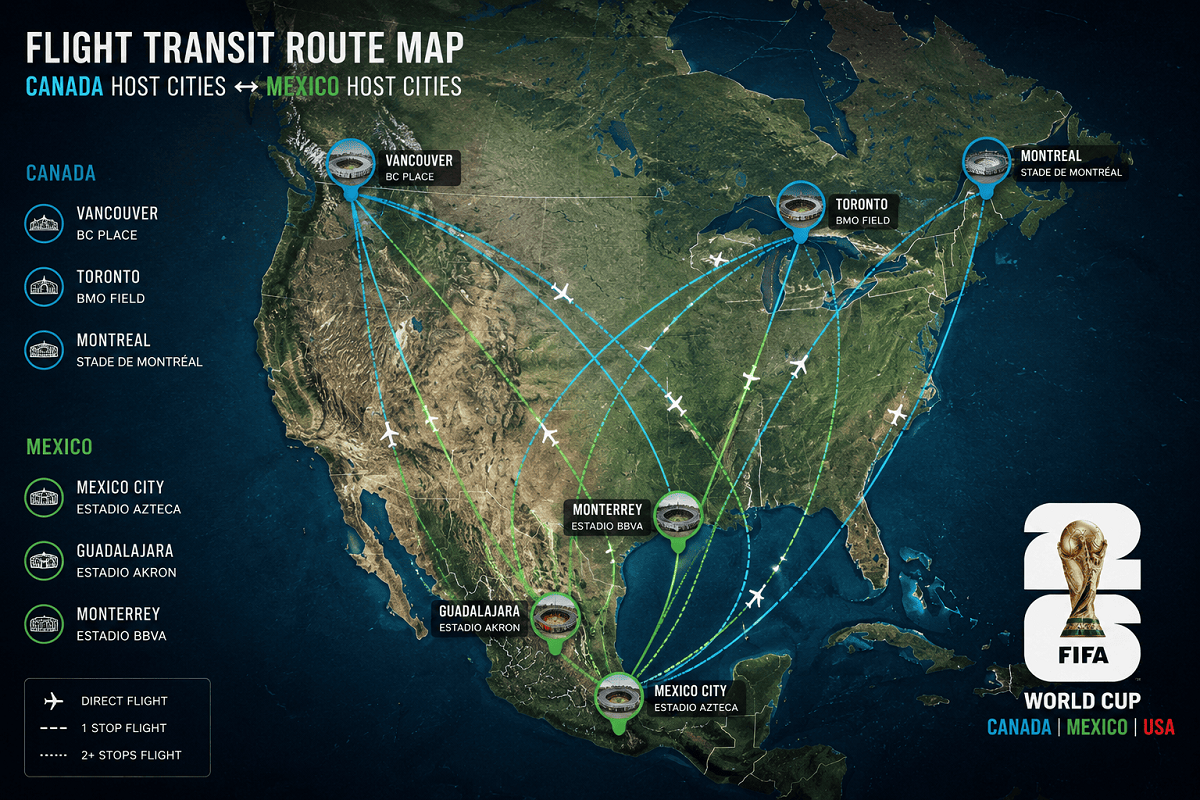
There are no high-speed trains connecting these host cities. Your entire World Cup itinerary relies on air travel.
Direct Flight Routes are Gold
To minimize the risk of lost luggage and delayed connections, prioritize direct flights between the major hubs.
- Vancouver (YVR) to Mexico City (MEX): Major carriers operate direct routes here, with a flight time of roughly 5.5 hours.
- Toronto (YYZ) to Mexico City (MEX) / Monterrey (MTY): Air Canada and Aeromexico offer frequent direct connections servicing these legs.
The Layover Danger Zone
If you must book a connecting flight (e.g., Toronto to Guadalajara with a stop in the US), remember that the US does not have transit zones. Even if you are just passing through a US airport for two hours to change planes, you must clear US Customs, re-check your bags, and possess a valid US Visa or ESTA.
Pro Transit Tip: Avoid US layovers entirely if you do not have a US passport or ESTA. Stick to direct flights between Canada and Mexico to bypass extra border security layers.
For official details regarding cellular regulations and traveler entry metrics, check the Official Government of Canada Travel Portal or verify cross-border commuter updates via the Official US Customs and Border Protection Portal.
Step 3: Packing for Two Climates in One Carry-On
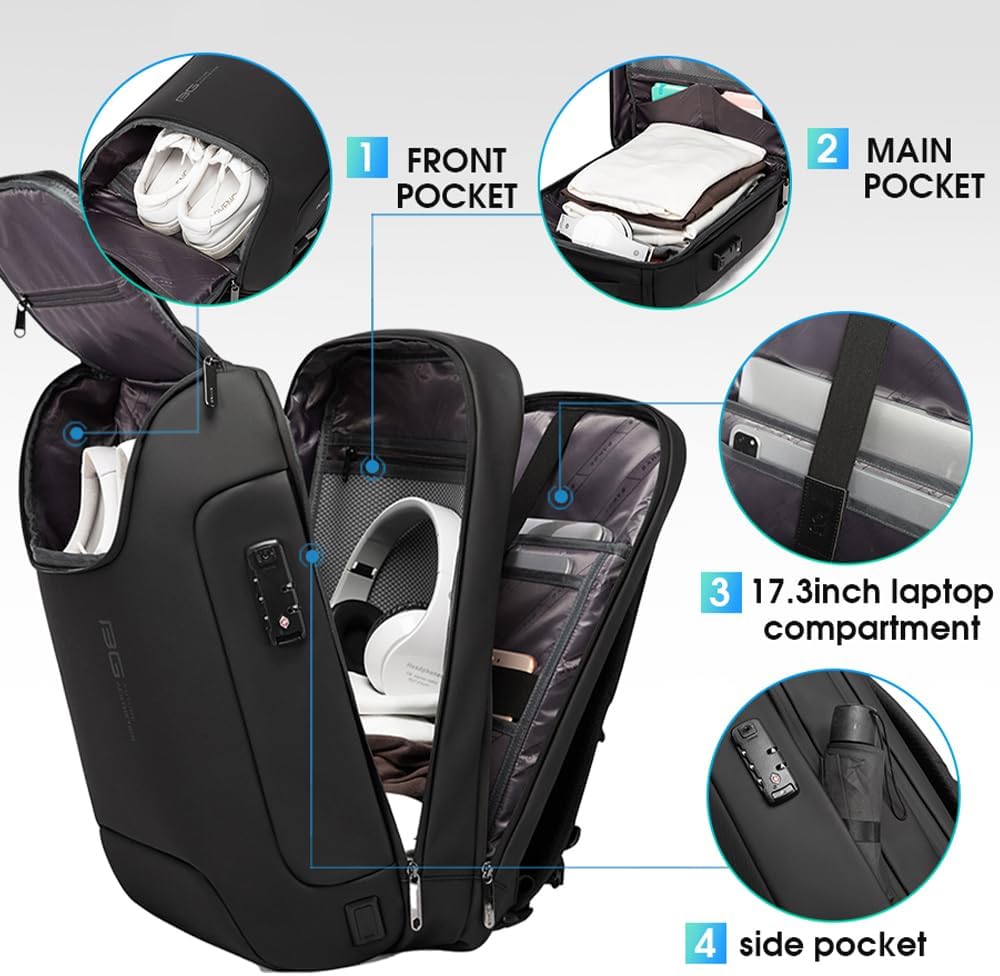
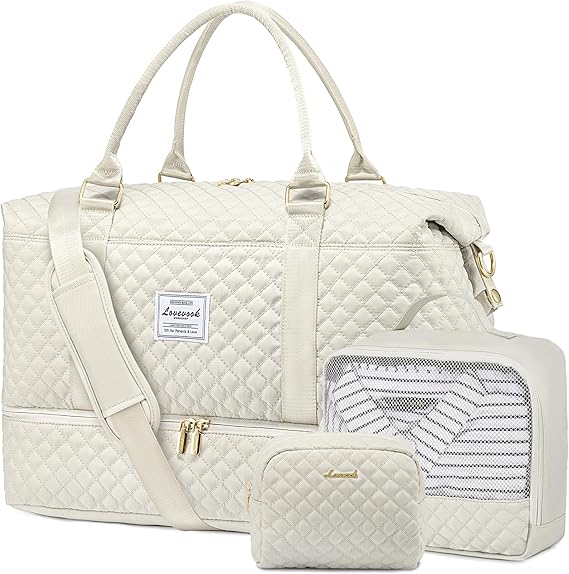
Packing for the World Cup is a major challenge because you are dealing with two completely opposite environments. Vancouver can be cool and rainy, requiring light layers and waterproof jackets. Meanwhile, Monterrey and Monterrey’s Estadio BBVA will be scorching hot.
To avoid paying outrageous checked bag fees to airlines over multiple flights, you need to fit everything into a single carry-on backpack.
This is where smart organization saves the day. Utilizing heavy-duty compression systems allows you to pack heavy sweaters for Canada and breathable tech-wear for Mexico without bulking up your luggage.
Step 4: Surviving the High Altitude of Mexico City
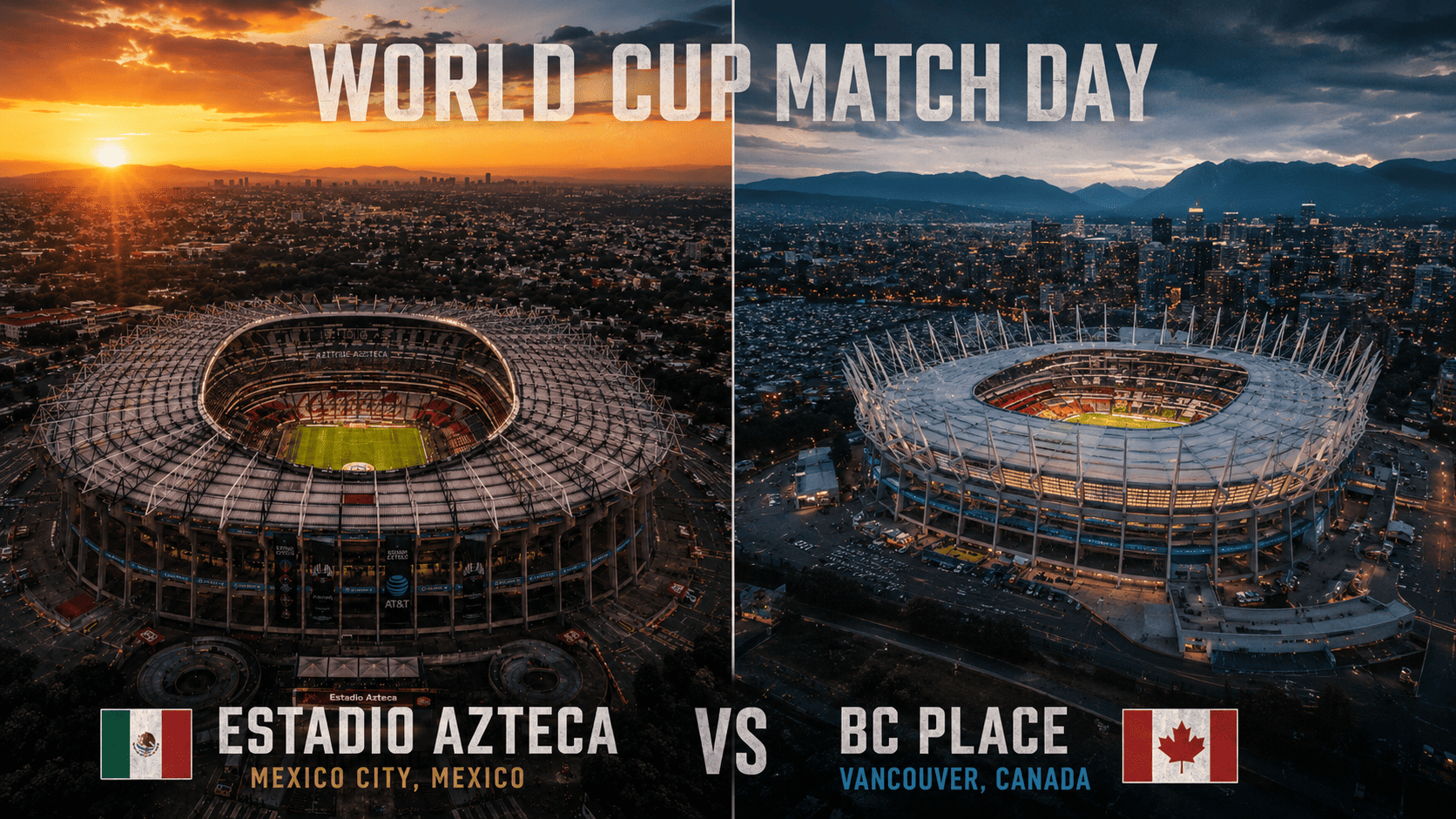
One major factor that catches international travelers off guard is the altitude of Mexico City (7,200 feet above sea level). Combined with the physical exertion of walking miles around the massive Estadio Azteca, altitude sickness can ruin your match day.
- Hydration is Vital: The air is thinner and drier at high altitudes. You lose water rapidly without realizing it.
- The Travel Tech Solution: Keep your electronic devices charged up using high-capacity portable power banks so you can constantly navigate and locate medical centers or pharmacies if you feel dizzy.
- Acclimatization: Give yourself at least 24 to 48 hours in Mexico City before doing heavy sightseeing or consuming heavy alcohol. Trust us, one beer at 7,200 feet feels like three.
Step 5: Stadium Security & Tech Regulations
FIFA implements incredibly rigid security protocols across all tournament venues. What is allowed in a regular domestic league match might get confiscated at a World Cup stadium gate.
The Clear Bag Policy
Most modern stadiums hosting the tournament enforce a strict clear bag policy. Large backpacks, opaque tote bags, and luggage are banned. You are typically allowed one clear plastic, vinyl, or PVC bag that does not exceed 12” x 6” x 12”.
Electronic and Camera Restrictions
- Power Banks: You can bring portable phone chargers, but they must be small enough to fit in your pocket or small clear bag. Heavy, oversized brick batteries may be flagged as a security hazard.
- Professional Cameras: Professional cameras with detachable lenses and tripods are strictly prohibited unless you possess official FIFA media credentials. Stick to your smartphone for capturing match memories.
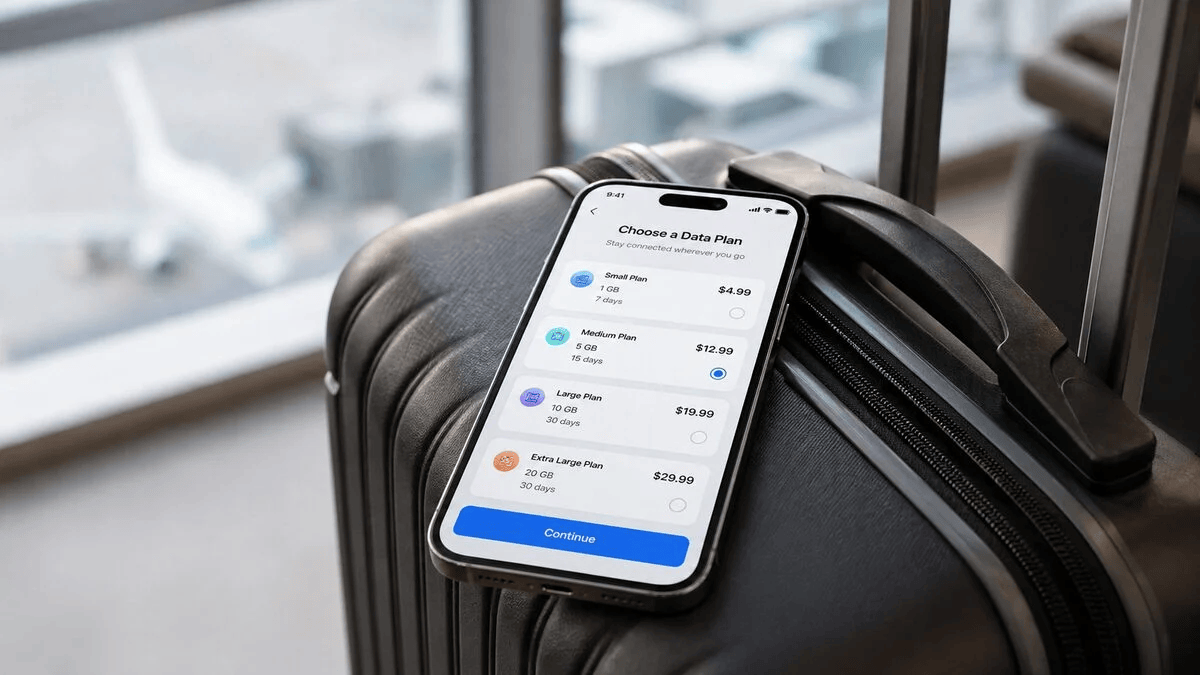
- Universal Connectivity: Ensure your devices are fully charged and equipped with global connectivity solutions so your digital tickets load instantly at the turnstile, even when stadium cellular networks are overloaded.
Final Strategy: Stay Flexible, Stay Charged
Executing a cross-border trip between Canada and Mexico for the World Cup is an unforgettable adventure, but it requires meticulous planning. By securing your travel documents early, booking direct flights, keeping your luggage light, and respecting local stadium tech rules, you can focus entirely on what matters most: the beautiful game.
For more international transit and gear strategies, be sure to explore our comprehensive checklist on preparing your tech for international flights Tech Reviews & Picks.
Are you traveling to Vancouver, Toronto, or the Mexican host cities? Let us know your tournament itinerary in the comments below!
Travel Essentials for Your Trip
Make your journey smoother with our top-rated travel gear and travel technology recommendations.
More Travel Guides
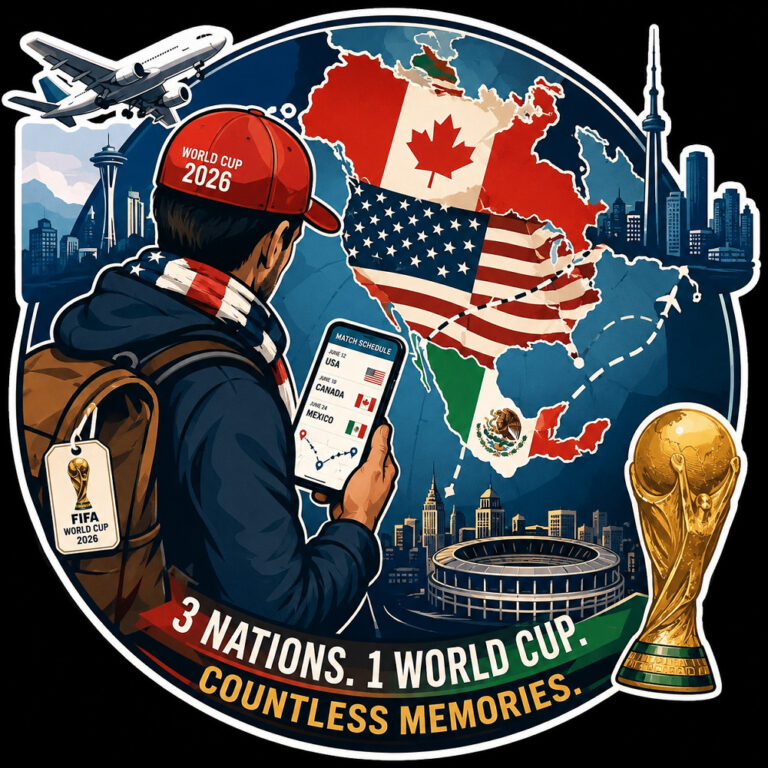
Table of Contents
Latest Articles
 How to Protect Your Tech While Traveling: 5 Smart Anti-Theft Tips
 World Cup 2026 Transit Guide: 5 Border Crossing Tech Rules
 Traveling between US and Canada for World Cup: 5 eSIM & Tech Tips
 World Cup 2026 Travel Guide: Top US Destinations to Explore Between Matches
 Traveling to the USA for World Cup: The Ultimate Fan Survival Guide
Popular Reviews

Alpha Keeper Money Belt Review: 1 Best Hidden Travel Wallet?

Derila Ergo Cervical Neck Pillow Review: 1 Best Sleeping Solution?
Owala FreeSip Water Bottle Review: 1 Best Travel Companion in 2026?
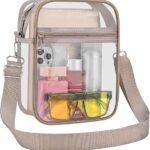
USPECLARE Clear Purse Review: 1 Best Stadium Approved Crossbody Bag?