World Cup 2026 Transit Guide: What Tech Gear You Need When Crossing the US-Mexico Border Crossing the US-Mexico border during the world’s biggest football tournament is bound to be an adrenaline-fueled adventure. With matches splitting host cities between American hubs like Los Angeles, Houston, or Miami, and Mexican cultural powerhouses like Mexico City, Monterrey, and […]
Disclaimer: This post contains affiliate links. We may earn a small commission if you make a purchase through them, at no extra cost to you. Read our full Affiliate Disclosure here.
World Cup 2026 Transit Guide: What Tech Gear You Need When Crossing the US-Mexico Border
Crossing the US-Mexico border during the world’s biggest football tournament is bound to be an adrenaline-fueled adventure. With matches splitting host cities between American hubs like Los Angeles, Houston, or Miami, and Mexican cultural powerhouses like Mexico City, Monterrey, and Guadalajara, millions of fans will execute this international transit.
However, border security at land crossings and international airports is not a standard sports commute. Both US Customs and Border Protection (CBP) and Mexican Customs (SAT) enforce rigid laws regarding what electronic devices, power banks, and data tools you can legally transport across the border.
If you pack the wrong gear or exceed specific item counts, you risk heavy fines, lengthy interrogations, or immediate confiscation of your expensive tech.
To guarantee you pass through immigration smoothly, this ultimate World Cup 2026 Transit Guide details the exact tech regulations, device limitations, and connectivity setups required for a hassle-free cross-border journey.
Demystify the Strict Mexico Electronics Cap (The 1-Laptop Rule)
The single biggest trap waiting for international travelers entering Mexico is the country’s unforgiving personal luggage exemption limits. Mexican Customs agents strictly audit consumer electronics per passenger.
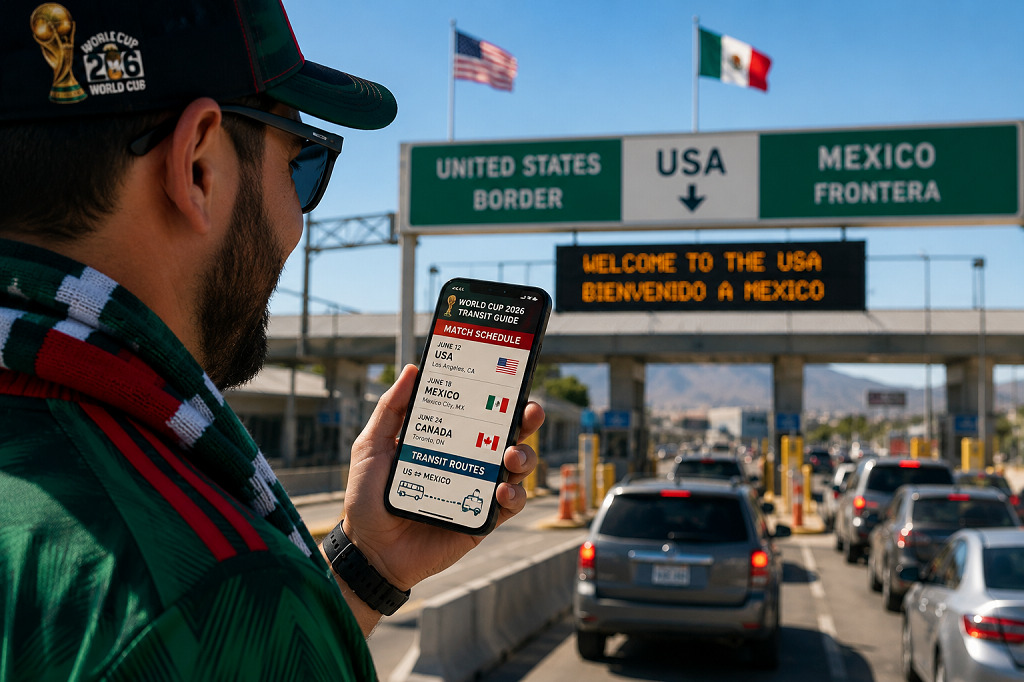
According to official Mexican SAT regulations, each traveler is permitted to bring into the country tax-free:
- Cell phones: Maximum of 3 mobile devices per person.
- Computers/Tablets: Maximum of 1 laptop, notebook, or tablet device per person.
The Multi-Device Trap
If you are a digital nomad or content creator traveling with a work MacBook and an iPad for entertainment, you technically violate the duty-free allowance. Border agents at major hubs like Mexico City International Airport (AICM) can assess a mandatory 19% import tax on the spot based on their valuation of the second device.
Pro Transit Tip: If you travel as a couple or group, distribute your secondary devices evenly across everyone’s bags. Do not pool multiple tablets and laptops into a single carry-on backpack.
Navigate the Brand-New US Tech Search Directives
When transit paths lead back into the United States, your digital data faces scrutiny. U.S. Customs and Border Protection operates under an updated Border Search of Electronic Devices Directive, expanding the definition of searchable equipment to include smartwatches, thumb drives, SIM cards, and vehicle infotainment systems.
- Basic vs. Advanced Searches: Border agents have the legal authority to perform a “Basic Search”—manually scrolling through your unlocked phone, photos, and messages—at their absolute discretion without needing prior suspicion.
- Device Readiness: You are legally required to present your smartphone or computer in a functional condition that allows for manual inspection. If your phone battery is completely dead, agents can detain the device until it can be powered on and verified.
- Cloud Isolation: By law, US border agents cannot intentionally access data that exists solely in your remote cloud storage.
To maintain total privacy and protect your data, review the official cybersecurity guidelines on the U.S. Customs and Border Protection Portal before heading to your gate.
Swap Out Massive Power Banks for Stadium-Compliant Models
Long match days require portable power chargers, but aviation authorities and transit hubs tightly restrict lithium-ion battery capacities.
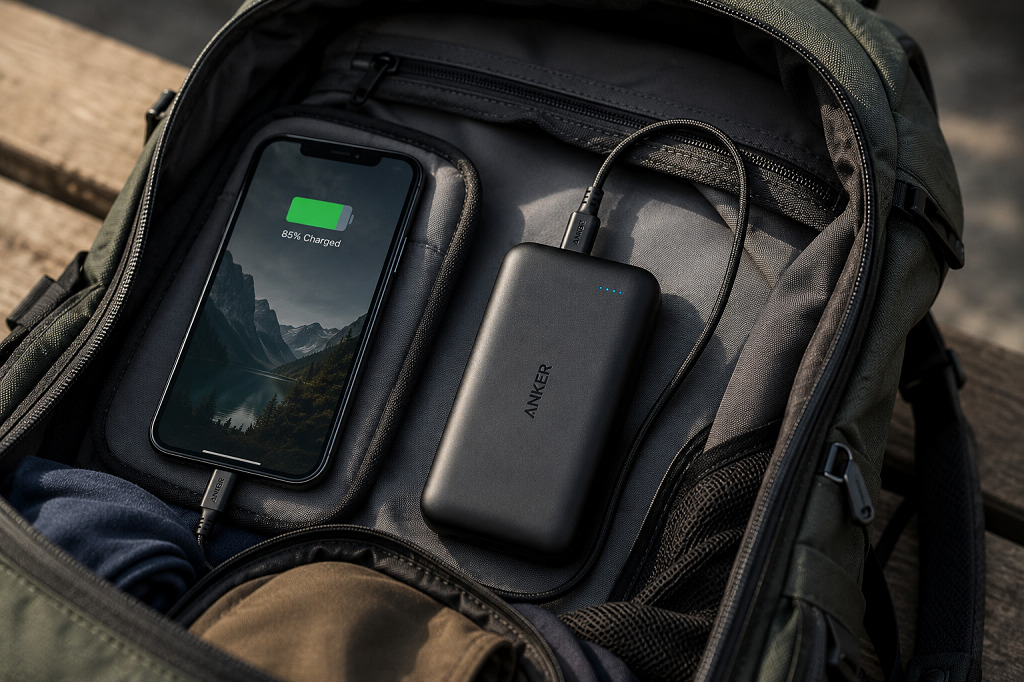
Both US and Mexican transport safety agencies mandate that any portable power bank packed in your carry-on luggage must remain below 100 Watt-hours (Wh). For standard consumer electronics, this translates roughly to a maximum capacity of 27,000mAh. Anything larger will be permanently confiscated at airport checkpoints.
Furthermore, dynamic host stadiums—including Mexico City’s iconic Estadio Azteca—prohibit large, bulky power bricks at the entrance gates for safety reasons. You need a compact, high-speed portable battery pack that fits entirely inside your clear bag or pocket.
(Note: To discover the best stadium-compliant, high-capacity external chargers, look at our field-tested gear reviews here:

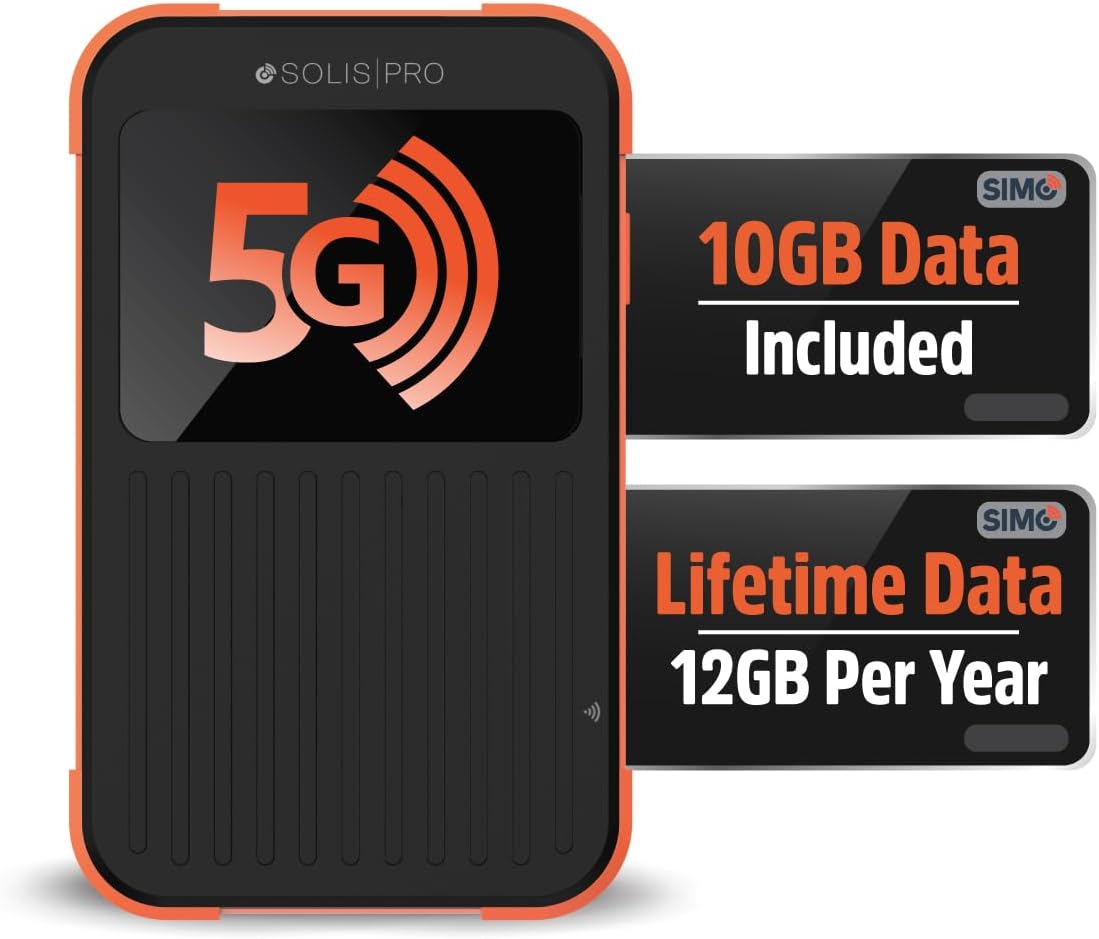
Deploy Dual-Network Cross-Border eSIMs Before You Land
Nothing ruins cross-border logistics faster than losing your data signal at border control. You need immediate internet access to pull up digital match tickets, call ride-sharing vehicles, and check real-time gate queues via the Official Government of Canada Travel and Transit Portal or local transit apps.
Instead of hunting for local physical SIM cards at chaotic airport kiosks, activate a regional North American eSIM plan prior to your departure date.
- Twise eSIM: This is the premium choice for multi-country transit. It utilizes a single digital plan that switches networks seamlessly from AT&T or T-Mobile in the US over to Telcel or Movistar the second you clear Mexican airspace.
- Airalo (Regional Discover Plan): Provides fixed, reliable data blocks covering the entire continent, allowing you to bypass expensive carrier roaming fees completely.
Clean Up Your Gear Package to Bypass Customs Inspections
Mexico utilizes a randomized push-button traffic light system at land checkpoints and baggage claims. Green means you pass without delay; red triggers a comprehensive manual baggage search.
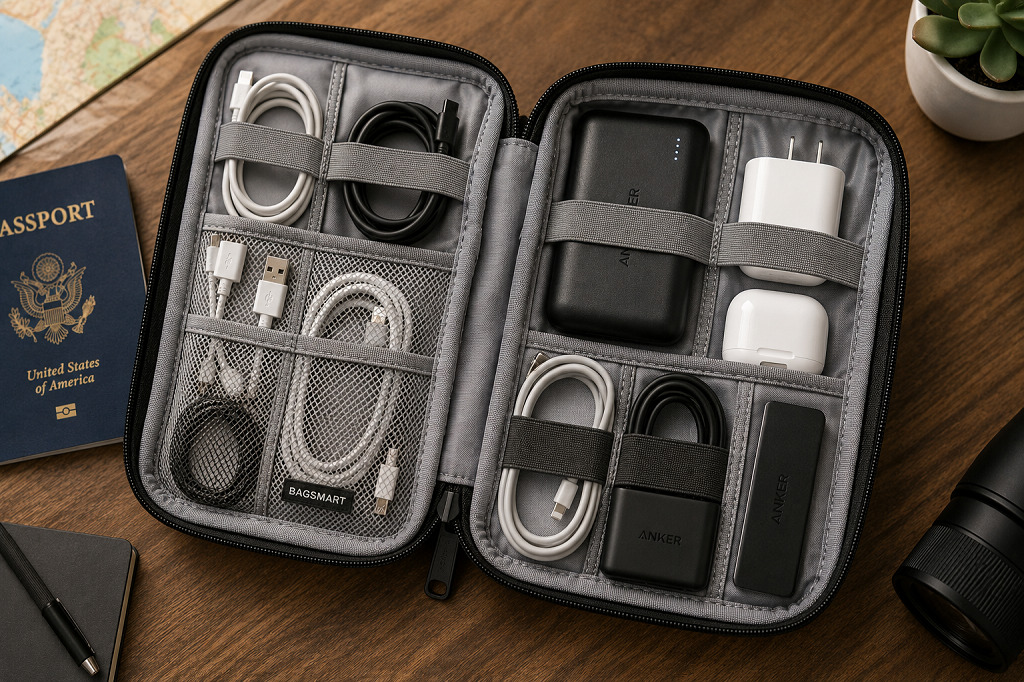
To minimize delays during a random baggage search, organize your charging cables, universal wall plugs, and tracking devices inside a transparent, dedicated tech pouch. A messy web of loose wires and loose batteries inside a dark backpack looks highly suspicious on x-ray scanners, almost guaranteeing a manual luggage inspection.
🚫 The Ultimate Travel Warning: Total Vape Ban
Do not attempt to cross into Mexico with e-cigarettes, vapes, or electronic nicotine delivery liquids. Mexico enforces an absolute, zero-tolerance ban on importing these devices. Finding a single vape device in your tech pouch will result in immediate confiscation, heavy monetary fines starting at $50 USD, and severe transit delays.
Summary Checklist: Secure Your World Cup 2026 Transit Plan
Executing an international journey across the US-Mexico border is straightforward if you adapt your equipment package to the local legal boundaries. By capping your hardware count to one computer and three phones, keeping your portable power banks carry-on size compliant, and setting up an active regional eSIM, you protect your trip from logistical nightmares.
For a deeper look at the elite bags capable of housing this gear safely, explore our absolute best cross-border travel backpack choices Gear Reviews & Guides.
Are you planning to cross the land border or fly into Mexico host cities? Drop your technical packing questions in the comments section below!
Travel Essentials for Your Trip
Make your journey smoother with our top-rated travel gear and travel technology recommendations.
More Travel Guides


Table of Contents
Latest Articles
 How to Protect Your Tech While Traveling: 5 Smart Anti-Theft Tips
 Traveling between US and Canada for World Cup: 5 eSIM & Tech Tips
 World Cup Cross Border Travel: 5 Crucial Logistics Tips
 World Cup 2026 Travel Guide: Top US Destinations to Explore Between Matches
 Traveling to the USA for World Cup: The Ultimate Fan Survival Guide
Popular Reviews

Alpha Keeper Money Belt Review: 1 Best Hidden Travel Wallet?

Derila Ergo Cervical Neck Pillow Review: 1 Best Sleeping Solution?

Owala FreeSip Water Bottle Review: 1 Best Travel Companion in 2026?
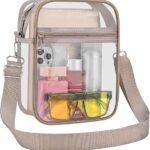
USPECLARE Clear Purse Review: 1 Best Stadium Approved Crossbody Bag?